Cape Canaveral sea turtles : the closed beach as nesting sanctuary
The 21 miles of Atlantic beach inside Cape Canaveral Space Force Station are closed to the public. They are also one of the most important sea-turtle nesting sites in the Western Hemisphere.
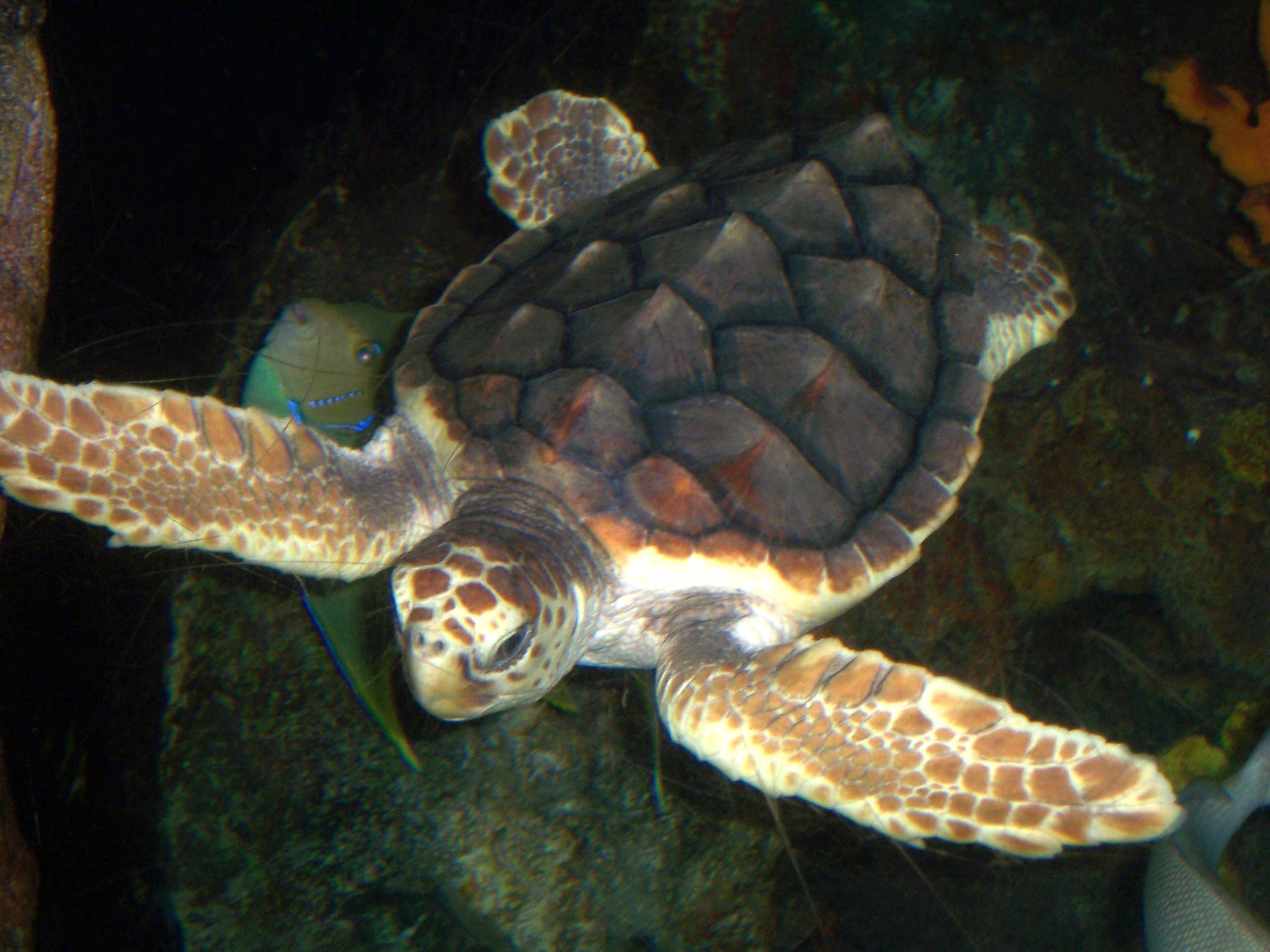
The 21-mile Atlantic shoreline inside Cape Canaveral Space Force Station and the adjacent Kennedy Space Center is closed to public access for security reasons. The same closure has produced an unintended ecological consequence: the closed beaches are now one of the most important sea-turtle nesting sites in the Western Hemisphere. The Florida Fish and Wildlife Conservation Commission documents about 4,500 to 5,000 sea turtle nests annually on the cape and KSC beaches, primarily loggerhead (Caretta caretta) but also green (Chelonia mydas) and occasionally leatherback (Dermochelys coriacea). Florida hosts about 90 percent of US loggerhead nesting, and the cape’s beaches account for roughly 15 percent of Florida’s total. The closed cape is, by accident, a major federal wildlife refuge.
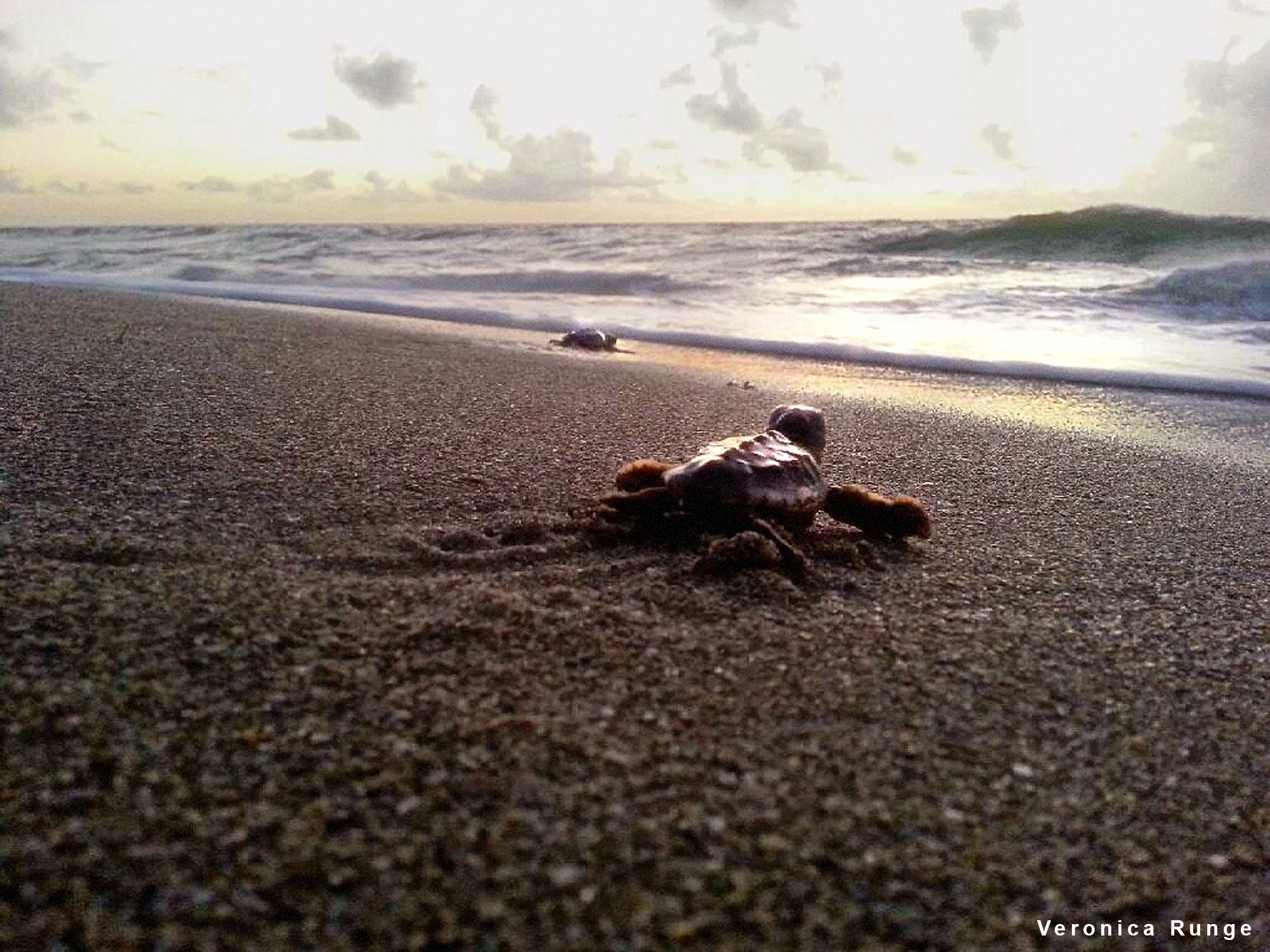
What nests there
Three species use the cape’s beaches in significant numbers:
Loggerhead turtle (Caretta caretta): about 4,000 to 4,500 nests annually, the dominant species. Loggerheads are listed as threatened under the Endangered Species Act and are Florida’s most-nested sea turtle.
Green sea turtle (Chelonia mydas): about 400 to 800 nests annually, with cycle-year variation. Green turtles are listed as threatened; the Florida nesting population has recovered substantially since the 1980s.
Leatherback turtle (Dermochelys coriacea): about 20 to 40 nests annually, the least common but the largest species. Leatherbacks are listed as endangered.
Kemp’s ridley (Lepidochelys kempii) is critically endangered and occasionally nests on Florida’s Atlantic coast, including very rarely at the cape. Hawksbill turtles (Eretmochelys imbricata) are also rare visitors.
Why the cape’s beaches work for turtles
Three factors make the cape’s 21 miles of beach unusually suitable for nesting.
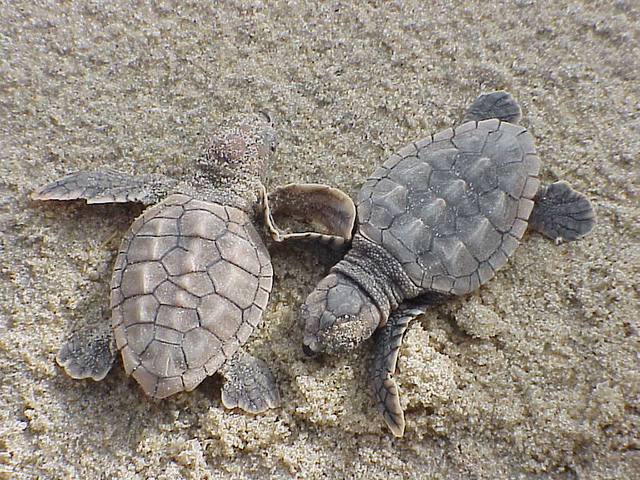
First, the beaches are dark at night. Sea turtle hatchlings orient toward the brightest horizon when they emerge from nests, which on natural beaches is the moonlit ocean. On developed beaches, hatchlings get confused by streetlights, hotel lighting, and beachfront houses, leading them inland to die. The cape’s federal beaches have minimal artificial lighting because the security perimeter prohibits civilian development. Hatchlings on cape beaches almost always find the water.
Second, the beaches are physically undisturbed. There are no beach umbrellas, beach chairs, sandcastles, sand-raking, or vehicle traffic that would crush nests or interfere with hatching. The 45th Space Wing’s beaches are walked daily by environmental staff but otherwise left alone.
Third, the offshore waters are productive. The Gulf Stream’s proximity (about 30 miles east) and the Indian River Lagoon system provide good juvenile habitat for the turtles that hatch on the cape. The cape is part of a regional ecosystem that includes both the Atlantic offshore waters and the lagoon system west of Merritt Island.
The military’s conservation role
The Air Force (now Space Force) inherited responsibility for the cape’s beach ecology when the federal government took the land in 1949. For the first three decades, conservation was minimal. The cape was a missile range first and a wildlife habitat by default.
The Endangered Species Act of 1973 changed the legal framework. The Air Force was required to develop a Conservation Plan that managed protected species on the base. The plan went through several iterations through the 1980s and 1990s. The current plan, the 2018 Sea Turtle Conservation Plan, includes:
- Restrictions on launch lighting during peak nesting (May through October)
- Beach surveys daily through nesting season
- Hatchling rescue and relocation when nests are threatened by hurricanes
- Cooperative research agreements with USFWS, NOAA, and the Brevard Zoo Sea Turtle Healing Center
- Restrictions on construction near the beachline
The plan has been generally successful. The cape’s nest counts have increased steadily since 1990, mirroring the broader Florida loggerhead recovery.
Launch effects
The cape’s launch operations affect sea turtles in three ways.
First, lighting. Rocket launches at night produce intense visual disturbance: the launch flames are visible for hundreds of miles. Hatchlings emerging during a night launch may orient toward the launch rather than the natural horizon. The Conservation Plan restricts launch lighting (specifically the runway lights and pad floodlights) during peak nesting season.
Second, sonic boom. Rocket launches produce loud acoustic events: about 130 decibels at one mile, 110 decibels at five miles. The effect on adult turtles is unclear; the effect on nest hatching success appears minimal based on available research. The Conservation Plan does not currently restrict launch acoustic effects.
Third, beach access. Launch operations occasionally require beach closures for safety reasons. Range safety personnel walk specific beach areas before launches to displace turtles that might be in the safety perimeter. The closures are short and have not been shown to affect overall nesting success.
The hatching cycle
Sea turtle nesting follows a predictable annual cycle on the cape:
- May: Adult females begin coming ashore at night to dig nests. Each female lays multiple clutches across the season, returning to the beach roughly every 14 days.
- June through August: Peak nesting. About 75 percent of the season’s nests are laid in these three months.
- July through October: Hatching season. Each nest hatches about 55 days after being laid. Hatchlings emerge at night, scramble to the water, swim offshore.
- November through April: Off-season. The beaches are largely quiet.
Total nesting season runs about six months. The cape’s environmental staff monitor every nest, mark it with stakes, and track hatching outcomes.
The Brevard Zoo Sea Turtle Healing Center
The Brevard Zoo in Melbourne operates a Sea Turtle Healing Center that handles sick or injured turtles from the cape area. The center has rehabilitated hundreds of turtles since opening in 2008. Causes of injury include boat strikes, fishing-line entanglement, ingested plastic, cold-stunning (when water temperatures drop below 50°F), and fibropapilloma tumors (a viral disease common in green turtles).
The healing center works closely with the 45th Space Wing environmental staff. When a sick turtle is found on the cape beaches, the staff calls the center; volunteers transport the turtle to the center; the center treats and releases when possible.
The center is open to the public. The public viewing is the cape’s main legal interface with the local sea turtle population, since the cape beaches themselves are inaccessible.
What this teaches about the cape
The cape’s closed beaches are the most successful conservation accident in Florida environmental history. The Air Force did not buy the cape in 1949 to protect sea turtles. The federal land acquisition that displaced the cape’s original residents had nothing to do with wildlife. The launch range that drove the closures was a Cold War strategic priority, not an ecological one.
But the consequence, six decades later, is one of the world’s most important sea turtle nesting sanctuaries. The closure for security has been the closure for the turtles. The federal launch range is, accidentally, the federal turtle refuge.
This is not unique. Military installations sometimes function as de facto wildlife refuges because the security perimeters keep out the development pressure that would otherwise destroy habitat. Eglin Air Force Base in the Florida Panhandle has similar value for the red-cockaded woodpecker. Vandenberg Space Force Base in California protects coastal habitat that would otherwise be developed. The cape is part of this pattern: a militarized closed land that has, over time, become a quiet ecological asset.
The lighthouse keepers in 1850 would have seen the same turtles. The cape’s biology hasn’t changed. The reason it persists has.