Jetty Park : Port Canaveral's south jetty turned public park
The south jetty at Port Canaveral's channel entrance was federal property until 1989, when it became Jetty Park. The 35-acre park is the cape's best public launch-viewing spot.
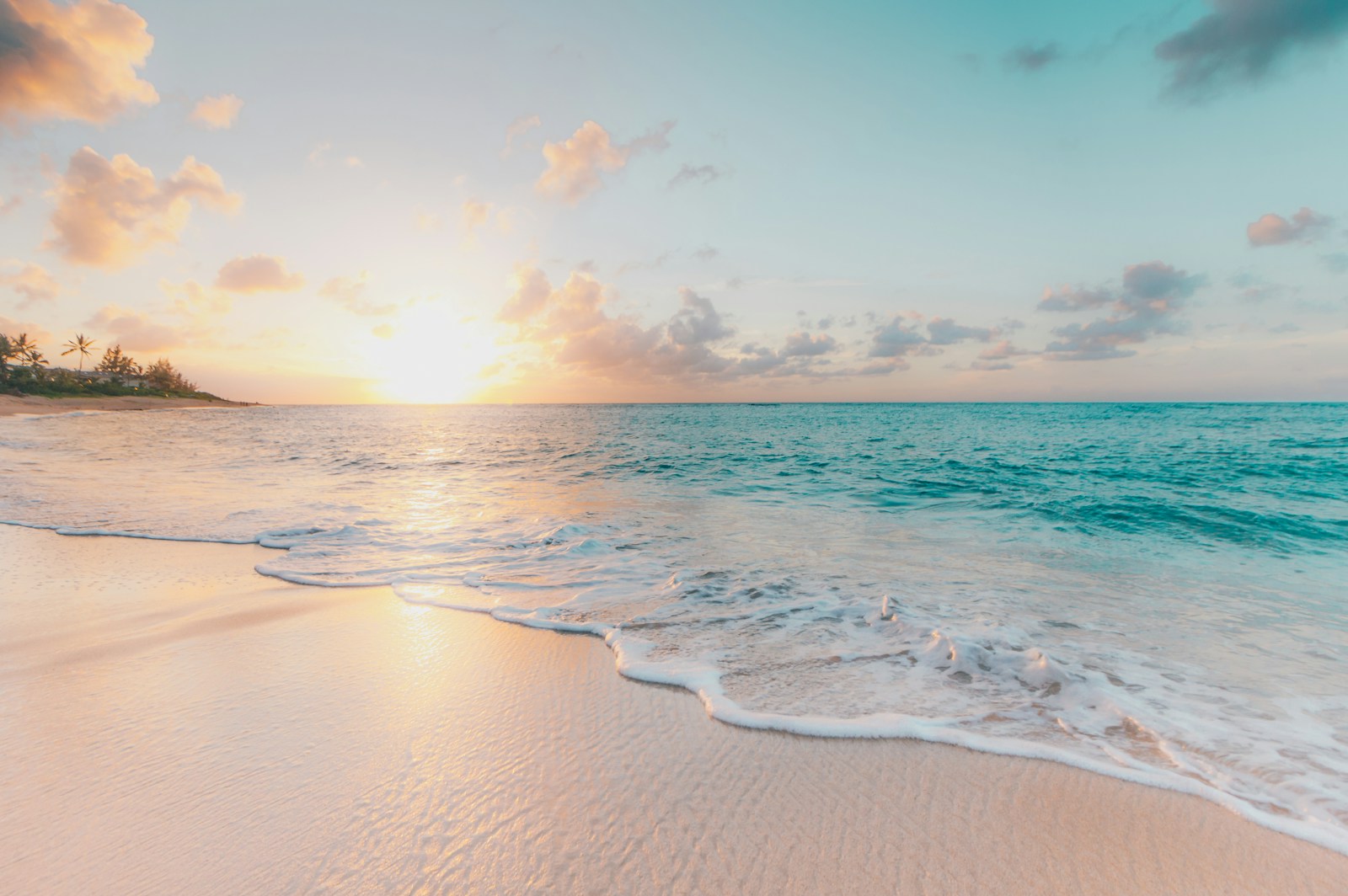
Jetty Park sits at the south side of Port Canaveral’s channel entrance, on a 35-acre tract that was federal property until 1989. The land transferred from the US Army Corps of Engineers to the Canaveral Port Authority in 1989 under a Cooperative Agreement that converted the south jetty’s spoil-disposal area into a public park. The park opened to the public in 1991 with a fishing pier, a 4,800-foot beach, a campground, a picnic pavilion, and easy line-of-sight viewing to every cape launch. It has been one of the cape area’s most-used public spaces ever since.
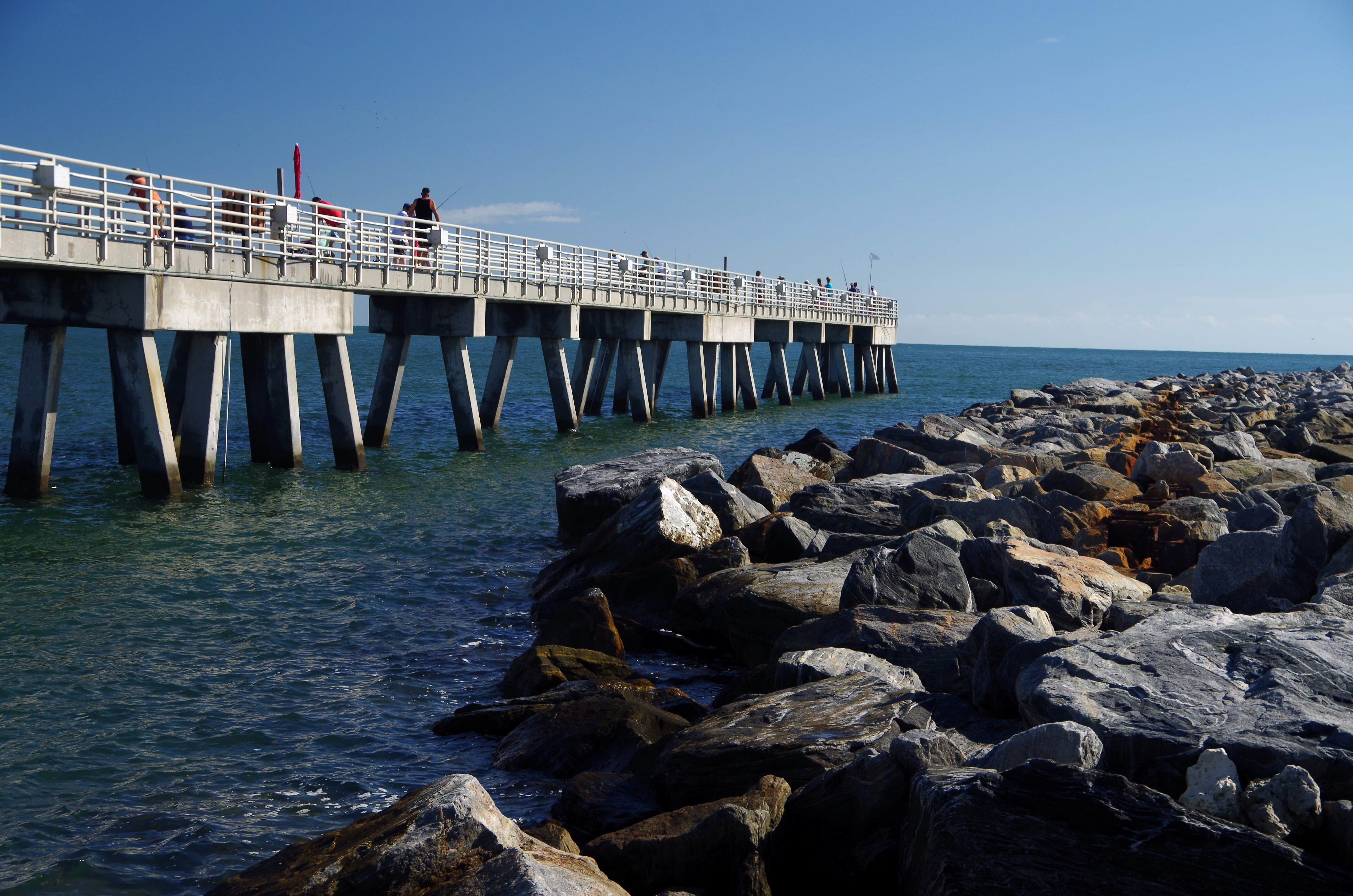
The south jetty
Port Canaveral’s channel is bracketed by two jetties: a north jetty on Cape Canaveral Space Force Station land (not publicly accessible), and a south jetty south of the channel. The jetties were built between 1951 and 1953 as part of the original Army Corps of Engineers channel-dredging project. Their purpose was to stabilize the channel mouth and prevent sand from drifting into the dredged channel.
The south jetty extends approximately 1,200 feet into the Atlantic. It is constructed of granite boulders stacked 18 feet wide at the base and 8 feet wide at the top. The jetty has been raised twice (in 1978 and 2002) to accommodate sea level rise and storm surge.
The land immediately landward of the jetty was originally an Army Corps spoil-disposal area: the place where dredged sand from the channel was deposited. By the 1980s, the spoil had built up into a 35-acre upland tract suitable for public use.
The 1989 transfer
The 1989 transfer agreement between the Army Corps of Engineers and the Canaveral Port Authority was straightforward. The Corps retained ownership of the jetty itself (which remains a federal navigation structure). The Port Authority took operational responsibility for the upland tract for park and recreational use.
The transfer required congressional authorization, which came through the Water Resources Development Act of 1988 (Public Law 100-676). The Port Authority committed to maintaining the spoil-disposal capacity if the Corps needed it for future channel dredging operations, in exchange for the right to develop the upland for park use.
The arrangement has worked well. The Port Authority has maintained the spoil-disposal capacity through three subsequent channel dredging operations (1995, 2008, and 2014). The park has remained continuously open through those dredging periods, with only minor temporary access restrictions during disposal operations.
What the park includes
The 35-acre park, as developed by the Port Authority between 1989 and 1991 and expanded in subsequent years, includes:
- A 4,800-foot beach (the entire south side of the south jetty)
- A 1,200-foot fishing pier extending along the jetty
- A 100-site RV and tent campground
- A picnic pavilion with 12 covered picnic shelters
- Two playgrounds
- A bait and tackle shop
- A grill and snack bar
- 3 miles of pedestrian and bicycle paths
- Parking for 800 vehicles
The park is open daily from sunrise to sunset. There is an entrance fee ($15 per vehicle for non-Brevard residents, $5 for residents) and an annual pass option ($75 for Brevard residents). The campground requires advance reservations.
Launch viewing
Jetty Park is the cape’s most-used public launch-viewing location. The park sits about 12 miles south of LC-39A and LC-39B at Kennedy Space Center, and about 11 miles south of the cape’s main launch complexes (LC-37, LC-40, LC-41). All of these pads are visible from the park’s beach or pier, in clear weather.
Launches from LC-40 (SpaceX Falcon 9) and LC-41 (ULA Atlas V) typically lift off heading east-southeast, which means the rocket flies almost directly over the park’s offshore waters 60-90 seconds after liftoff. The acoustic effect is significant: the sound arrives at the park about 60 seconds after the rocket clears the tower, depending on wind direction.
Launches from LC-39A and LC-39B head east, slightly higher in the sky from the park’s perspective. The visual effect is similar but slightly less intense than from a south-cape pad.
The park’s launch-viewing capacity is significant. For high-profile launches (Crew Dragon missions, NASA flagship missions, Falcon Heavy demos), the park has hosted up to 8,000 viewers, occupying every parking space and most of the beach. The Port Authority opens additional overflow parking and shuttle service for major launches.
Wildlife
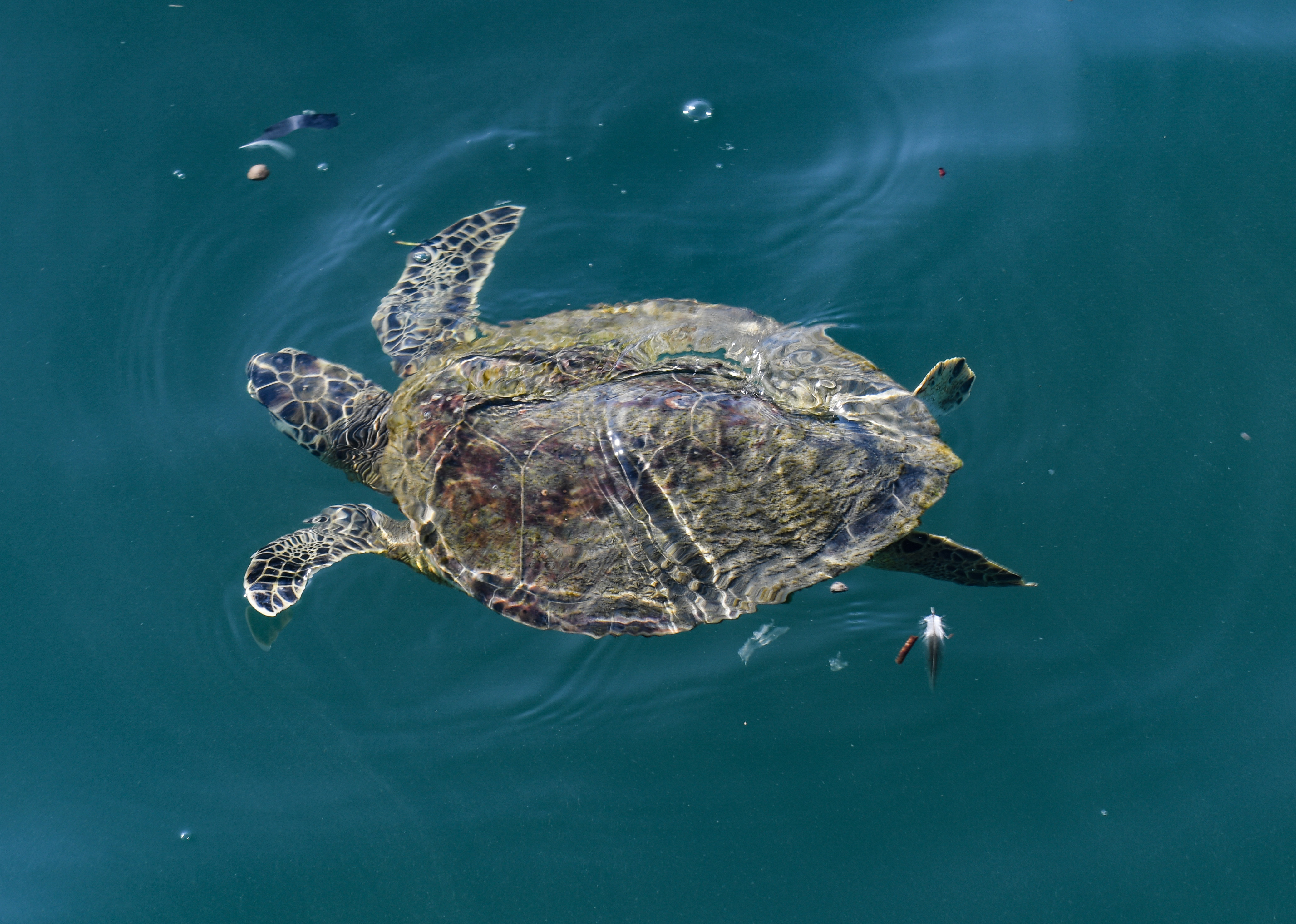
The park’s beach is on the same coastline that hosts the cape’s sea turtle nesting. Loggerhead, green, and occasional leatherback turtle nests appear on the Jetty Park beach during nesting season (May through October). The park manages public access during nesting season to minimize disturbance: no beach driving, mandatory beach lighting restrictions, posting and protection of identified nests.
Florida Fish and Wildlife Commission documents 50 to 80 turtle nests annually on the Jetty Park beach. Hatching success rates compare favorably with the closed cape beaches, demonstrating that the park’s combination of public access and conservation management is workable.
The park also hosts shore birds (sandwich terns, royal terns, brown pelicans), occasional manatees in the lagoon-side waters, and a small population of resident sea birds that breed on the jetty rocks.
Hurricane impact
Hurricane damage at Jetty Park has been significant. The park sustained major damage from:
- Hurricane Frances (September 2004): about $3 million in damage, mostly to the campground and pier
- Hurricane Wilma (October 2005): about $800,000 in damage to the beach and parking
- Hurricane Matthew (October 2016): about $1.2 million in damage, primarily structural
- Hurricane Dorian (September 2019): about $400,000 in damage
- Hurricane Ian (September 2022): about $2.5 million in damage to the pier and beach
After each major hurricane, the park has been rebuilt within 6 to 18 months. The 2022 reconstruction included $4.5 million in resilient improvements (storm-rated structures, raised pavilions, redesigned beach erosion control).
What the park represents
Jetty Park demonstrates a specific principle: federal land that has fulfilled its primary purpose can sometimes be repurposed for civilian benefit without losing its primary function. The south jetty still serves as the south buttress of Port Canaveral’s channel. The Port Authority still maintains the spoil-disposal capacity. The Army Corps still owns and maintains the jetty itself. None of those functions have been compromised by the park’s overlay.
What the public has gained is significant: 35 acres of waterfront, 4,800 feet of beach, a fishing pier, a campground, and the best launch-viewing in the cape area. The transfer has been a clear win for Brevard County’s quality of life.
The park is also one of the cape’s few publicly accessible places that gives visitors a direct geographic connection to the cape’s history. From the jetty, visitors can see:
- The cape’s lighthouse (visible 4 miles north on clear days)
- The Port Canaveral cruise terminals
- The launch pads on the cape and Kennedy Space Center
- The Atlantic into which every cape rocket has flown for 75 years
It’s the cape’s living room. The federal facility, the port industry, the launch range, and the natural environment all visible from one spot, accessible to anyone with $15 and a car.
The park’s future
The Port Authority’s 2030 master plan anticipates continued investment in Jetty Park, with several specific improvements:
- A new launch-viewing observation deck (planned for 2026)
- Expanded campground (planned for 2027, adding 50 sites)
- A new boardwalk along the dune
- Enhanced beach erosion control
The park is also expected to become more crowded as launch tempo increases. SpaceX alone is projected to launch 130 to 150 times per year from cape facilities by 2028. Each launch will draw viewers to Jetty Park.
The Port Authority’s challenge is to maintain the park’s character (informal, family-oriented, accessible) while accommodating the growing demand. Initial indicators suggest the park will succeed at this. The 2024 visitor count of 1.4 million was higher than ever, and surveys show satisfaction levels remain high.
Jetty Park works. It is the cape’s accessible public space, and it should continue to be.