Cape Canaveral schools : from the 1898 one-room schoolhouse to today
The cape's school history runs from an 1898 one-room schoolhouse near the lighthouse to the modern Brevard County school system. Consolidation, NASA-era growth, and the cape's two school identities.

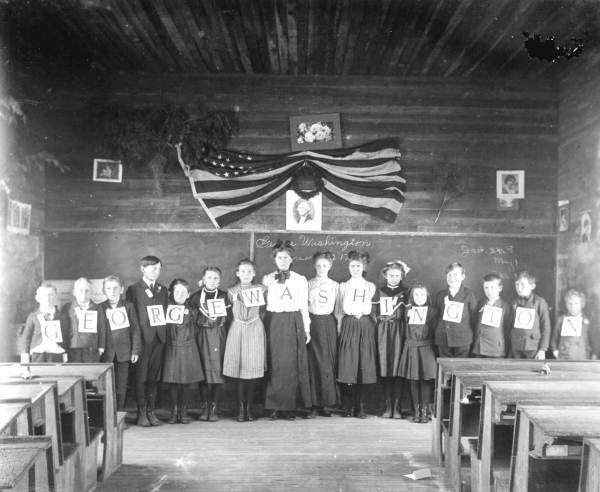
The cape’s school history starts in 1898 with Cape School #2, a one-room wooden building near the lighthouse. The school served about 20 students at a time across all grades, taught by a single Brevard County teacher. It operated through 1949, when the federal land acquisition forced its closure along with the rest of the cape’s civilian infrastructure. The modern Cape Canaveral school system began with Cape View Elementary in 1962, built immediately after the City of Cape Canaveral incorporated. The Brevard County school district consolidated cape-area schools through the 1970s and 1980s and now serves the area with two elementary schools, one middle school, and shared high schools in Cocoa Beach and Merritt Island.
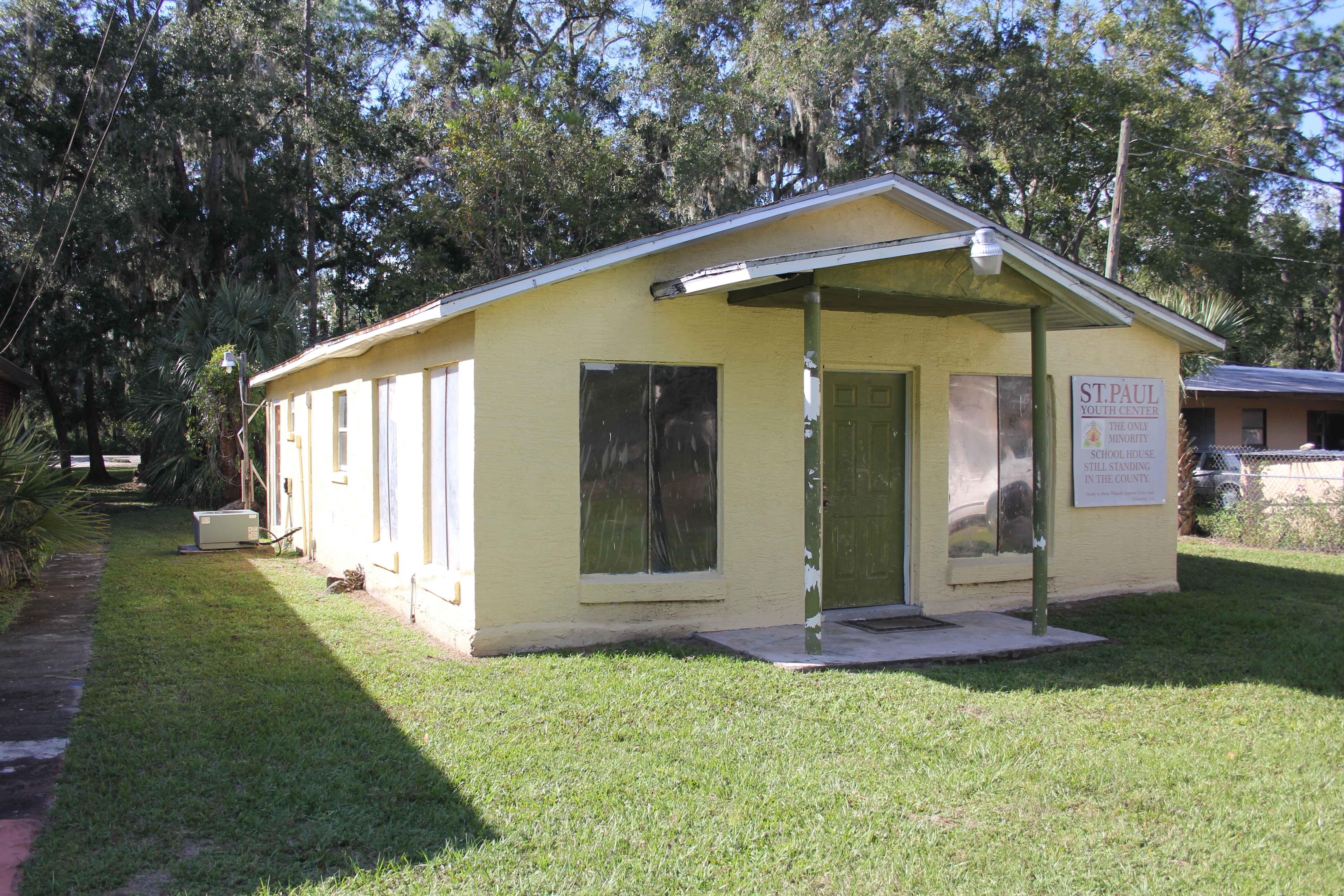
Cape School #2
Cape School #2 was the cape’s first formal school, opened in 1898 by the Brevard County school board. The “Number 2” designation distinguished it from Cape School #1, which served the inland community at the present-day Sharpes area on the mainland.
The school was a single wooden building about 30 by 50 feet, with a single classroom, a small entry porch, and an outdoor privy. Heating was a wood stove. Lighting was natural through the windows and supplemented in winter with kerosene lanterns. Water came from a shallow well.
The curriculum followed the Florida state common school curriculum of the period: reading, writing, arithmetic, geography, US history, and basic civics. Students typically attended in shifts: younger students for shorter days, older students for the full day. The school operated about 180 days per year, matching Florida’s standard school calendar.
Teachers at Cape School #2 over its 51-year operation included:
- Sarah J. Burnham (1898-1906), a granddaughter of the lighthouse keeper
- Maria Stone (1907-1932), the longest-serving teacher
- Margaret Whitten (1933-1945)
- Eleanor Howard (1946-1949)
Stone’s tenure was the school’s golden era. She taught three generations of cape children, including the parents and grandparents of many current cape residents. Her oral history (recorded in 1948, shortly before the school closed) is preserved in the Brevard County Historical Commission archives.
The 1949 closure
The school closed at the end of the 1948-1949 school year, as part of the federal land acquisition that displaced the cape’s civilian community. The displaced families relocated primarily to Cocoa, Cocoa Beach, Titusville, and inland Brevard County communities. Their children enrolled in those communities’ schools.
The Cape School #2 building was demolished in late 1949 to clear land for what would become Launch Complex 31 on Cape Canaveral Air Force Station. The site is no longer identifiable.
The school’s records (registers, attendance books, photographs) were transferred to the Brevard County school district archives. They are now held at the Brevard Public Schools administration building in Viera. Researchers can request access.
The NASA-era return
When the City of Cape Canaveral incorporated in 1962, the new municipality immediately needed school infrastructure. The growing NASA and Air Force contractor workforce was bringing families into the area faster than the existing Cocoa Beach schools could absorb.
The Brevard County school board opened Cape View Elementary School on September 4, 1962, six weeks after the city’s incorporation. The school was built on Polk Avenue in the new city, opened with about 280 students and 14 teachers. The first principal was Helen Crawford.
Cape View was, in a real sense, the continuation of Cape School #2. The same school district. The same general geographic community (now relocated 4 miles south to the new municipal boundaries). Several students at Cape View in 1962 had parents or grandparents who had attended Cape School #2 in the 1920s and 1930s.
The 1960s and 1970s growth
Cape Canaveral’s school population grew rapidly. By 1965, Cape View Elementary had 540 students, exceeding capacity. The Brevard County school board built Cocoa Beach Elementary in 1965 to serve the southern Cocoa Beach community and added a second cape-area elementary, Cape Acres Elementary, in 1968.
Middle and high school students attended Cocoa Beach Middle School and Cocoa Beach High School, both established in the early 1960s to serve the growing space-program community.
By 1975, the cape area’s school infrastructure included:
- Cape View Elementary (City of Cape Canaveral)
- Cape Acres Elementary (south Cape Canaveral)
- Cocoa Beach Elementary (Cocoa Beach)
- Roosevelt Elementary (Cocoa Beach)
- Cocoa Beach Junior High School (Cocoa Beach, later renamed Cocoa Beach Middle School)
- Cocoa Beach High School (Cocoa Beach)
Total cape-area student enrollment in 1975 was approximately 4,800 across the elementary schools, plus another 2,200 in middle and high school. The community was at peak space-program population.
The 1980s and 1990s consolidation
The cape’s school enrollment peaked in the late 1970s and declined steadily through the 1980s as the Shuttle-era workforce contracted. By 1990, total cape-area elementary enrollment was approximately 3,200.
The Brevard County school board consolidated several cape-area schools through the 1980s and 1990s:
- Cape Acres Elementary closed in 1985 due to declining enrollment; students transferred to Cape View
- Cocoa Beach Elementary and Roosevelt Elementary were merged in 1992 as Cape Vista Elementary
- A new Roosevelt Elementary opened in 1995 in north Cocoa Beach
The consolidation was painful. Several long-serving teachers were transferred or retired. Parents fought the closures. The Brevard County school board, facing actual enrollment shortfalls and budget pressure, proceeded over local objections.
The modern era
In 2026, the cape area’s schools include:
- Cape View Elementary (Cape Canaveral, K-5, about 480 students)
- Cape Vista Elementary (Cocoa Beach, K-5, about 510 students)
- Roosevelt Elementary (north Cocoa Beach, K-5, about 320 students)
- Cocoa Beach Middle School (6-8, about 580 students)
- Cocoa Beach Jr/Sr High School (6-12, recently consolidated, about 1,400 students)
Total cape-area student enrollment is approximately 3,290 students as of the 2024-2025 school year. The enrollment has been stable for about a decade after the post-Shuttle drop and pre-SpaceX recovery have balanced out.
School quality and outcomes
The cape’s schools generally perform well on Florida’s standardized assessments. Recent school grades from the Florida Department of Education:
- Cape View Elementary: A grade (2022, 2023, 2024)
- Cape Vista Elementary: A grade (2022), B grade (2023, 2024)
- Roosevelt Elementary: A grade (2022, 2023, 2024)
- Cocoa Beach Middle School: A grade (2022, 2023, 2024)
- Cocoa Beach Jr/Sr High School: B grade (2022), A grade (2023, 2024)
The schools serve a relatively affluent and educated community: Brevard County overall has higher median income and higher college-graduate rates than Florida averages, and the cape-area towns specifically skew higher than county averages. This shows up in school outcomes.
What schools mean to the cape
The cape’s school history is, in its way, a parallel history of the cape’s overall community. The 1898 school served the pre-NASA fishing village. The 1962 school served the NASA-era influx. The 1980s consolidations marked the post-Apollo decline. The current schools serve a community that is more economically diversified than at any previous point.
The schools are also where the cape’s two histories actually meet. Children whose grandparents were displaced from the pre-1949 cape in the federal acquisition now attend the same school as children whose parents work at SpaceX. The cape’s continuity, such as it is, runs through the schools as much as through the cemeteries.
What the schools teach about the cape
Three things, lasting.
First, the cape has had a functioning school system continuously since 1898, with only a 13-year gap (1949-1962) during the federal acquisition transition. That’s 128 years of formal education on the cape peninsula. Few rural Florida communities can claim that continuity.
Second, the schools have always reflected the cape’s economic structure. The 1898 school served fishing and citrus families. The 1962 school served NASA contractors. The 2024 school serves SpaceX engineers, cruise port workers, retirees, and Brevard County’s general working population. The school populations changed because the cape’s economy changed.
Third, the schools are the cape’s link to its future. The lighthouse and the cemeteries connect the cape to its past. The launch pads connect it to its current operations. The schools connect it to the next generation. The cape’s continuity, three centuries running, requires all three.